Some researchers dose capsules at 23 the injectable dose to compensate, acknowledging that not all of it will be absorbed
Remove the cap from the retatrutide pen or syringe and attach a new needle if you are using a syringe
Routine blood tests form the cornerstone of post-operative monitoring and should typically include: Full blood count (FBC) to detect anaemia Ferritin, serum iron, and transferrin saturation to assess iron stores Vitamin B12 and folate levels 25-hydroxyvitamin D and parathyroid hormone (PTH) Calcium, phosphate, and magnesium Zinc and selenium (less frequently, but recommended in some protocols) Copper and ceruloplasmin should be checked if anaemia, low white cell count (leucopenia), or unexplained neurological symptoms are not explained by iron, B12, or folate deficiency Liver function tests and lipid profile HbA1c particularly relevant for patients with type 2 diabetes The frequency of testing is typically higher in the first year (every three to six months, per BOMSS schedules) and may reduce to annually once levels are stable
The safety profile observed in these studies was equally impressive
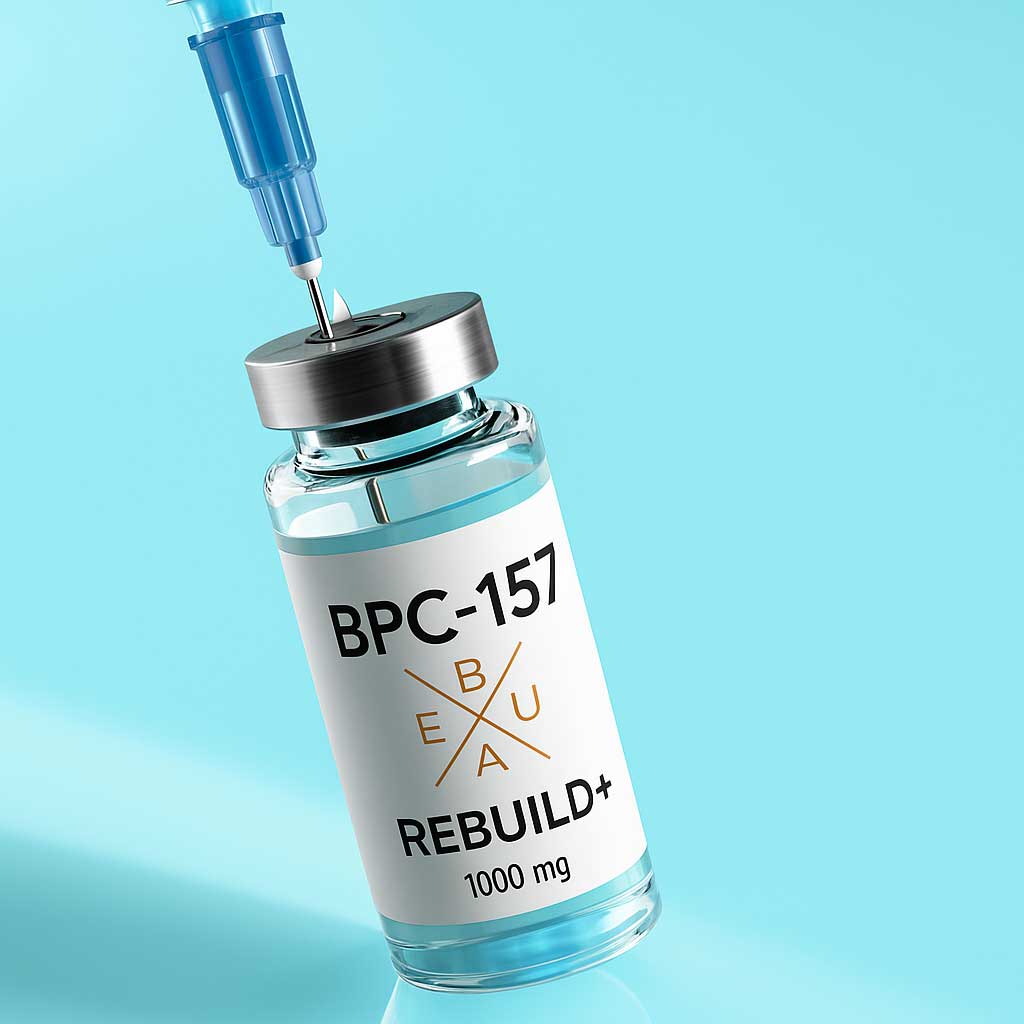
The pre-blended format eliminates the compounding variability that can arise when researchers combine separately sourced and reconstituted peptides, supporting consistency across experimental conditions