Supports Beard Growth: Unlike most serum, AnagenX is also formulated to enhance beard density
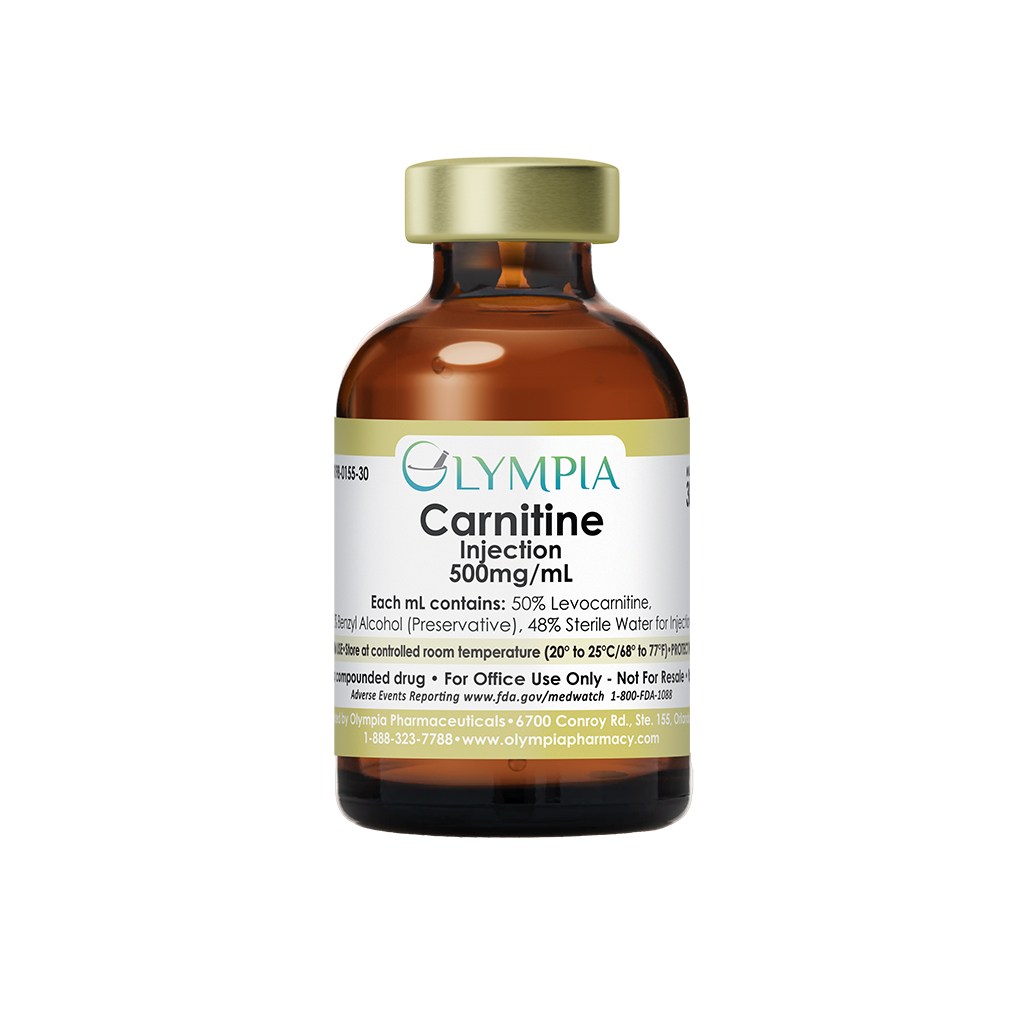
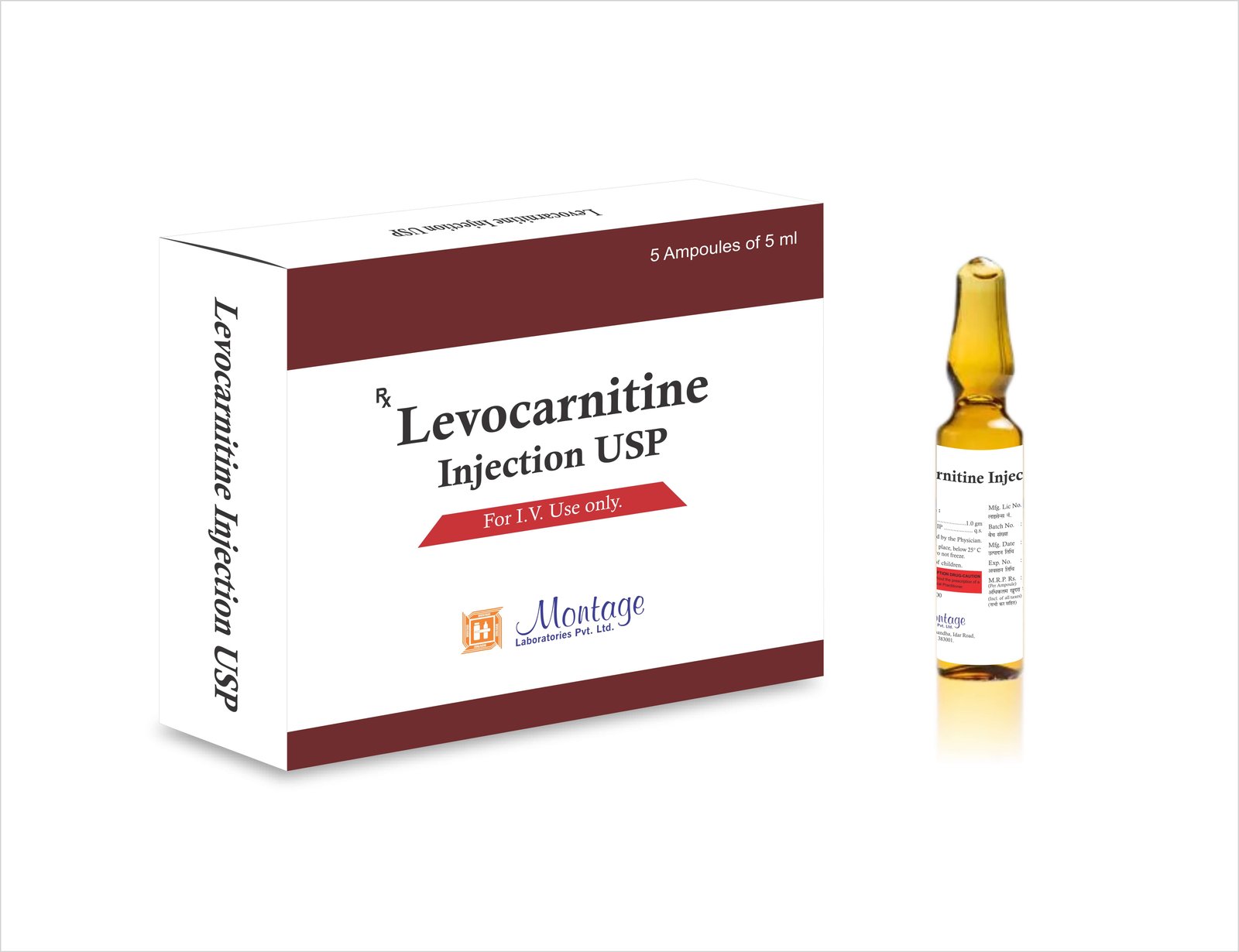
the best men's fertility support supplement? Compenso Menvit combines L-Arginine, L-Carnitine, CoQ10, Ginseng, Selenium, Lycopene, and L-Methionine in a specialized formula designed to support men's reproductive health, normal sperm production, and overall vitality
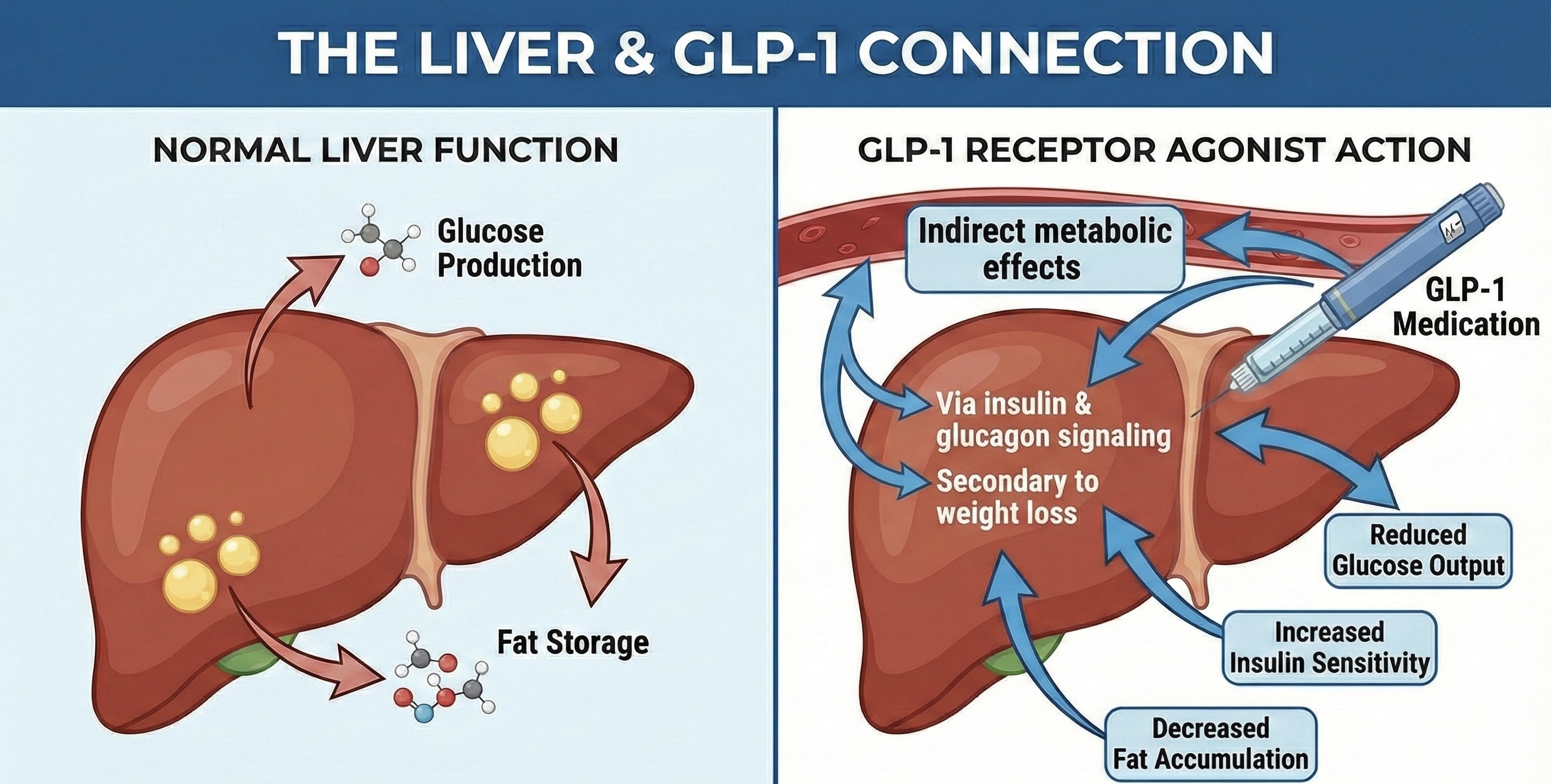
Currently, two FDA-approved GLP-1 receptor agonists are directly derived from the Gila monster venom peptide exendin-4: exenatide (Byetta) and exenatide extended-release (Bydureon, Bydureon BCise)

There are many other variables that can contribute to a patients risk of developing a microbial overgrowth, including: Low stomach acid (hypochlorhydria) Reduces the stomachs ability to limit bacterial entry into the small intestine Impaired digestive secretions Decreased bile acids or pancreatic enzymes can allow microbes to grow unchecked Structural changes to the gut Anatomical alterations or surgical changes can trap bacteria and promote overgrowth Disrupted gut immune defenses Weakened immune regulation can impair normal microbial control Previous gastrointestinal infections Infections such as foodborne illness can cause lasting changes that increase susceptibility to overgrowth Frequent or repeated antibiotic use Antibiotics can disrupt microbial balance and enable opportunistic overgrowth Dietary patterns that promote fermentation Excess fermentable carbohydrates can fuel microbial proliferation Underlying metabolic or systemic conditions Certain chronic conditions can indirectly affect gut regulation and balance Altered gutbrain signaling Disruptions in neural communication can affect digestion and microbial balance Development of microbial overgrowths and their associated symptoms is often the result of multiple risk factors aligning to amplify imbalances in your gut microbiome

Bringing a current list of medications and any recent lab work to a consultation also helps a provider assess how a phased plan might interact with a patients broader health picture