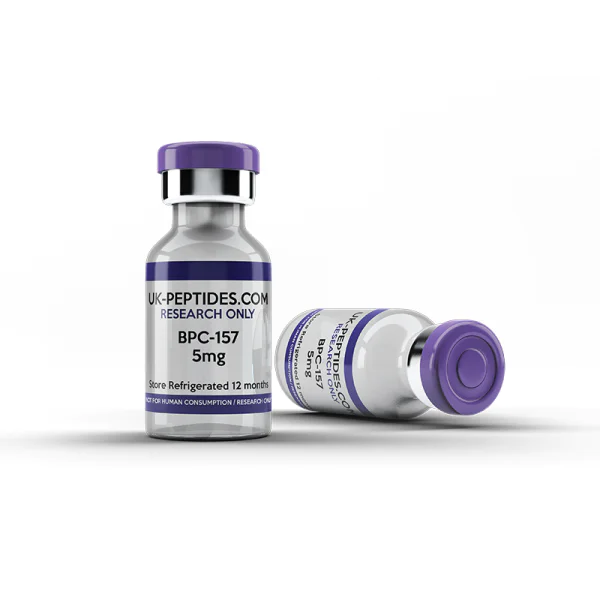
A: This depends on the peptide, but typically, several days to weeks when stored properly at 2-8C
Sensory Symptoms Numbness, tingling, or pins and needles (paresthesia) typically distal/stocking-glove in polyneuropathy Burning pain, allodynia, hyperalgesia common in small-fiber predominant neuropathy and CIDP Loss of proprioception and vibration sense sensory ataxia, positive Romberg sign Loss of pain/temperature sensation (small fiber) risk of unnoticed wounds Motor Symptoms Distal muscle weakness (foot drop in peroneal neuropathy, wrist drop in radial neuropathy) Atrophy of intrinsic hand muscles (ulnar/median neuropathy) Hyporeflexia or areflexia (ankle jerks lost early in length-dependent polyneuropathy) Fasciculations in severe axonal loss Autonomic Symptoms Orthostatic hypotension, dizziness on standing Gastroparesis, constipation or diarrhea, nausea Neurogenic bladder (hesitancy, retention, incontinence) Anhidrosis or gustatory sweating Sexual dysfunction
In one mouse study, researchers found that the peptide reduced the pain felt by the animals in their paws when placed on a mildly hot plate. The authors explained that this could be because GHK is similar in structure to cimetidine, a histamine H2 receptor antagonist sometimes given to reduce pain in certain digestive conditions.3 10 In rodents, doses as low as 0.5mg/kg were found to be effective in delivering these anti-pain effects.25 In a 70kg human, an equivalent dose would be around 5.6mg, though thats likely higher than necessary: pharmaceutical-grade GHK-Cu normally ranges from 0.5 mg to 2.5mg per injection
Lyophilized peptides are far more temperature-stable and can handle short periods outside refrigeration
The dosage depends on several factors











:max_bytes(150000):strip_icc()/benefits-of-glutathione-89457_final-01-502464fe91b2444285b0cccf8cb0a33c.png)