[1] [2] Dietary modifications form the cornerstone of symptom management: Eat smaller, more frequent meals rather than large portions Avoid high-fat, greasy, or heavily spiced foods that may exacerbate nausea Stay well-hydrated, particularly if experiencing diarrhoea Increase dietary fibre gradually if constipated, alongside adequate fluid intake Limit carbonated beverages and foods that cause bloating Eat slowly and chew food thoroughly to aid digestion For nausea management , patients often find relief by: Avoiding strong food odours during meal preparation Consuming bland, easily digestible foods such as toast, rice, or bananas Using ginger-based products (ginger tea or biscuits), which some patients find helpful Ensuring adequate rest and avoiding lying down immediately after eating Constipation can be addressed through: Increasing water intake to at least 68 glasses daily Regular physical activity, which stimulates bowel motility Gradually increasing dietary fibre from fruits, vegetables, and whole grains Considering over-the-counter laxatives after consulting your pharmacist or GP If side effects are severe or significantly impact quality of life, discuss with your prescriber whether dose adjustment or temporary treatment interruption might be appropriate
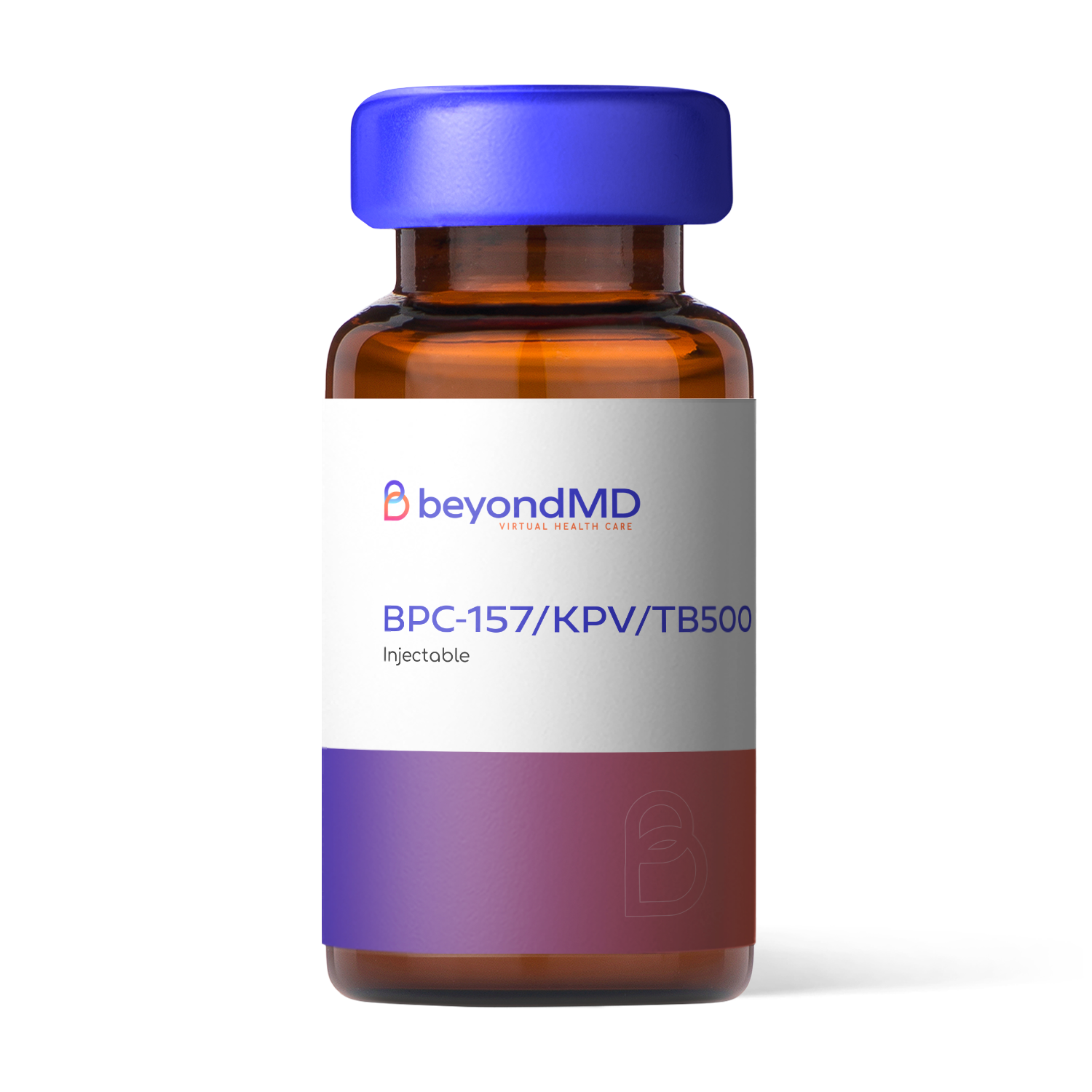
A number of biological processes are involved in healing, and TB-500 has the ability to impact all of them, unlike certain recovery treatments that target only one area
According to TrimRx's published materials, its pharmacy partners are LegitScript-certified and licensed in the United States
doi: 10.1038/cr.2016.27 304 QiuT.LiuQ.ChenY.-X.ZhaoY.-F.LiY.-M
Functional elements of the gastric inhibitory polypeptide receptor: Comparison between secretin- and rhodopsin-like G protein-coupled receptors