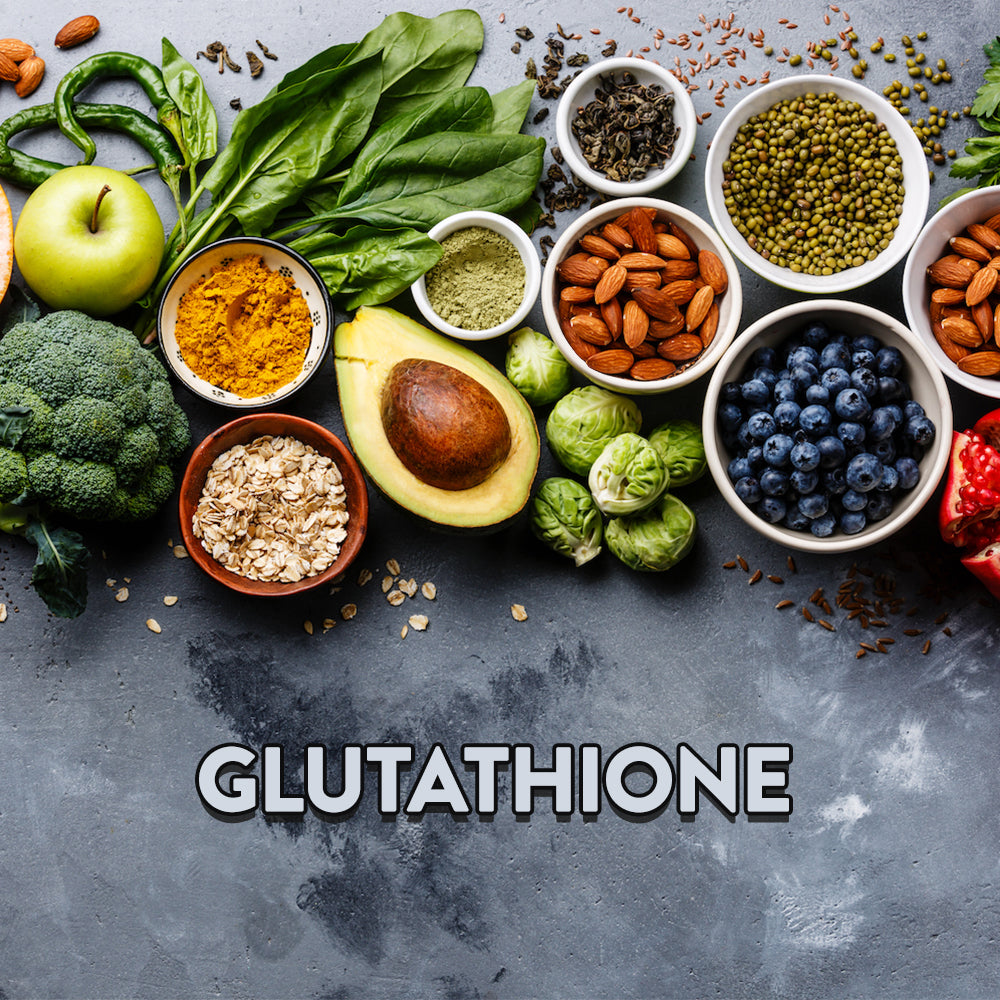
What Helps Right Now: Returning to consistent hydration, especially in winter when thirst cues are blunted Emphasizing whole foods with natural bitterness or fiber (leafy greens, citrus, legumes) Giving the body predictable rhythms again: regular meals, consistent sleep and wake times Rather than cleansing, the goal is simply toreduce the loadand allow recovery systems to function optimally again
However, not a platform for weight loss
[Ref] Renal Common (1% to 10%): Kidney failure (chronic hemodialysis patients) [Ref] Endocrine Common (1% to 10%): Parathyroid disorder [Ref] Respiratory Very common (10% or more): Pharyngitis (27%), cough increase (18%), dyspnea (11%), rhinitis (11%) Common (1% to 10%): Bronchitis, sinusitis [Ref] Dermatologic Common (1% to 10%): Pruritus, rash [Ref] Ocular Common (1% to 10%): Amblyopia, eye disorder [Ref] Genitourinary Common (1% to 10%): Urinary tract infection [Ref] Cardiovascular Very common (10% or more): Hypertension (21%), hypotension (19%) Common (1% to 10%): Atrial fibrillation, arrhythmia, cardiovascular disorder, electrocardiogram abnormal, palpitations, tachycardia, vascular disorder [Ref] Hypersensitivity Common (1% to 10%): Allergic reaction [Ref] Psychiatric Common (1% to 10%): Depression, anxiety, drug dependence, insomnia [Ref] Immunologic Very common (10% or more): Infection (24%) [Ref] References 1

They can advise you on the best type and dosage of supplement to take, if appropriate
Specifically, recent research has suggested a bidirectional communication between metabolic dysfunction (loss of metabolic homeostasis) and cellular senescence (67, 68)










:max_bytes(150000):strip_icc()/benefits-of-glutathione-89457_final-01-502464fe91b2444285b0cccf8cb0a33c.png)