Table of Contents Understanding Ozempic and Its Role in Metabolic Health Ozempic (semaglutide) is a glucagon-like peptide-1 (GLP-1) receptor agonist licensed in the UK for the treatment of type 2 diabetes mellitus
Inhibition of apolipoprotein C-III with GalNac conjugated antisense drug potently lowers fasting serum apolipoprotein C-III and triglyceride levels in healthy volunteers with elevated triglycerides
These links support the view that -oxidation, when present, helps restrain ferroptosis by limiting the available PUFA pool, and that targeting PUFA oxidation or these parallel antioxidant systems can sensitize solid tumors to ferroptotic cell death
External review (Level 2): If the internal appeal fails, you can request an independent external review
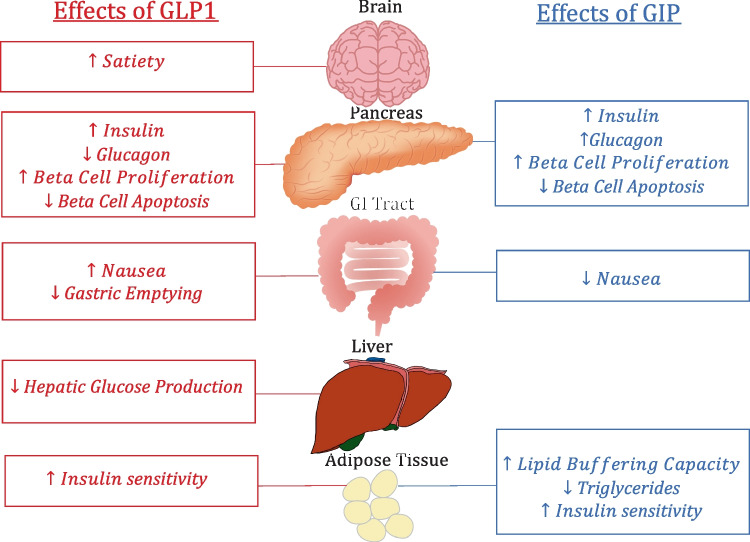
By activating GLP-1 receptors, semaglutide helps: Stimulate insulin production when blood sugar is high Reduce glucagon secretion, which further lowers blood sugar Slow down digestion, promoting a feeling of fullness Decrease appetite by acting on brain centers controlling hunger The FDA has approved Ozempic for the treatment of type 2 diabetes, while Wegovy, a higher-dose formulation of semaglutide, is specifically approved for chronic weight management in adults with obesity or overweight with at least one weight-related comorbidity