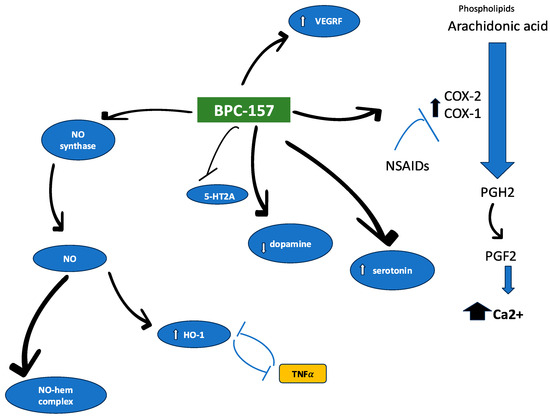
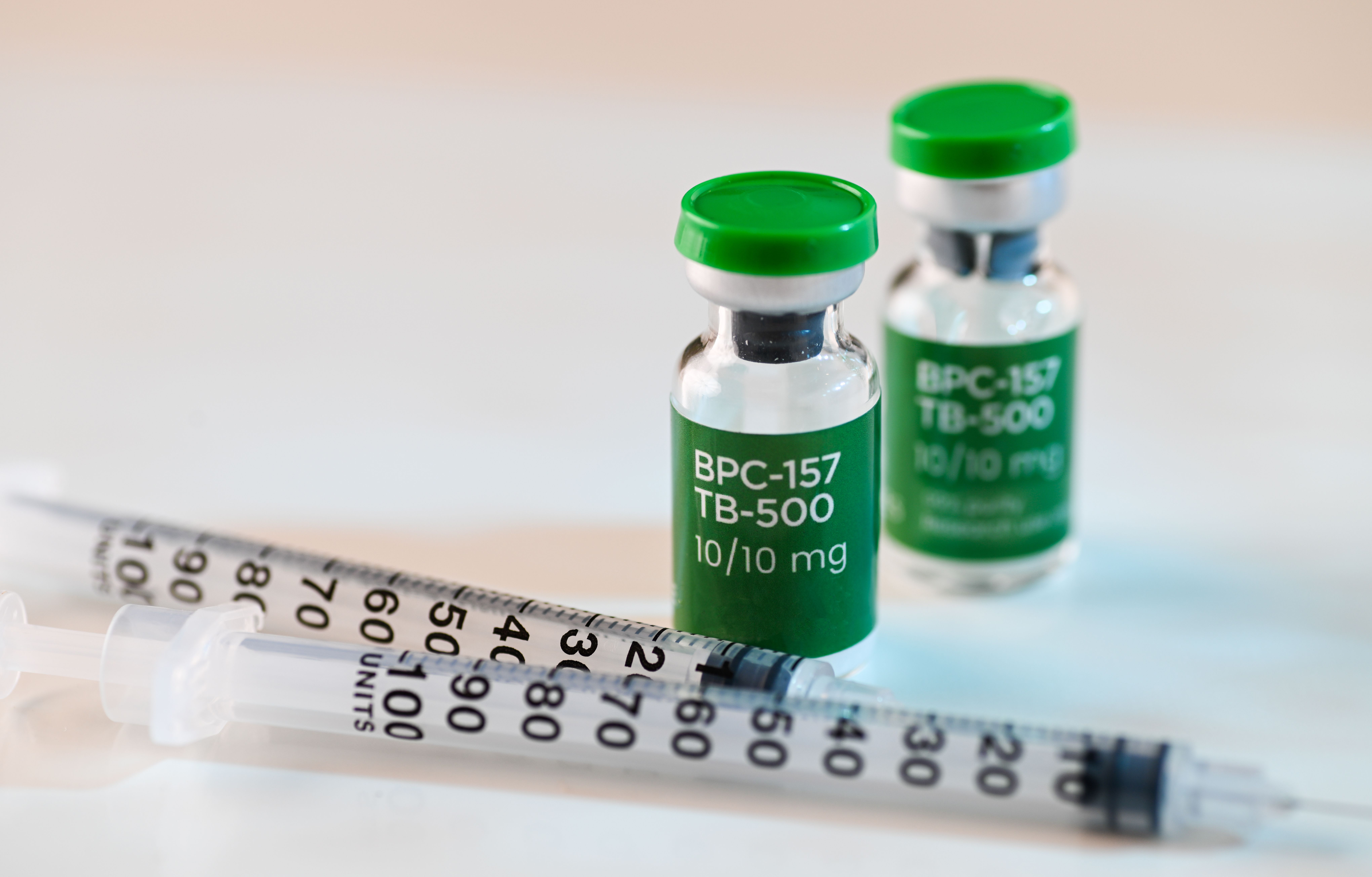
BPC has been shown to: Promote tendon and ligament healing by tendon outgrowth, cell survival, and cell migration in a rodent model of Achilles tendon rupture, and also when administered in drinking water to rats with damaged medial collateral ligaments Tendon-to-bone healing effective enough that they may actually successfully exchange the present reconstructive surgical methods Counter the damaging effects of NSAIDs like ibuprofen or advil on the gut lining so effectively that scientists termed BPC-157 a NSAIDs antidote one of which they say that no other single agent has portrayed a similar array of effects Repair the damage from inflammatory bowel disease (IBD) within just days of oral administration in a rodent model of IBD Help cure periodontitis when administered in a rodent model of periodontitis, significantly enough to have scientists conclude that BPC 157 may represent a new peptide candidate in the treatment of periodontal disease Reverse systemic corticosteroid-impaired muscle healing, in rodent models where BPC-157 was administered orally once daily for 14 days to rats with crushed gastrocnemius muscle
Previous iterations of the PCAC were composed primarily of academics and researchers from institutions including Duke, Harvard, and Johns Hopkins
We considered requiring ASM participants to regularly submit lists of all non-ASM participant parties with which they have established CCAs but recognized the high level of administrative burden on both the ASM participant and on CMS resources
At a 30 mg/mL concentration, 5 units delivers 1.5 mg
Telehealth services powered by advanced AI, such as Doctronic.ai, are transforming how patients manage their health