The compound activates pathways (the FAK-paxillin pathway) that regulate cell migration and proliferation, two processes central to tissue repair
BPC-157 angiogenic mechanism: Increases VEGF expression triggering endothelial cell proliferation, migration, and tube formation
Multiphase Regenerative Synergy Both peptides exhibit multiphase regenerative synergy in animals: BPC-157 initiates the repair cascade, stabilizing vasculature, limiting oxidative stress, and restoring perfusion
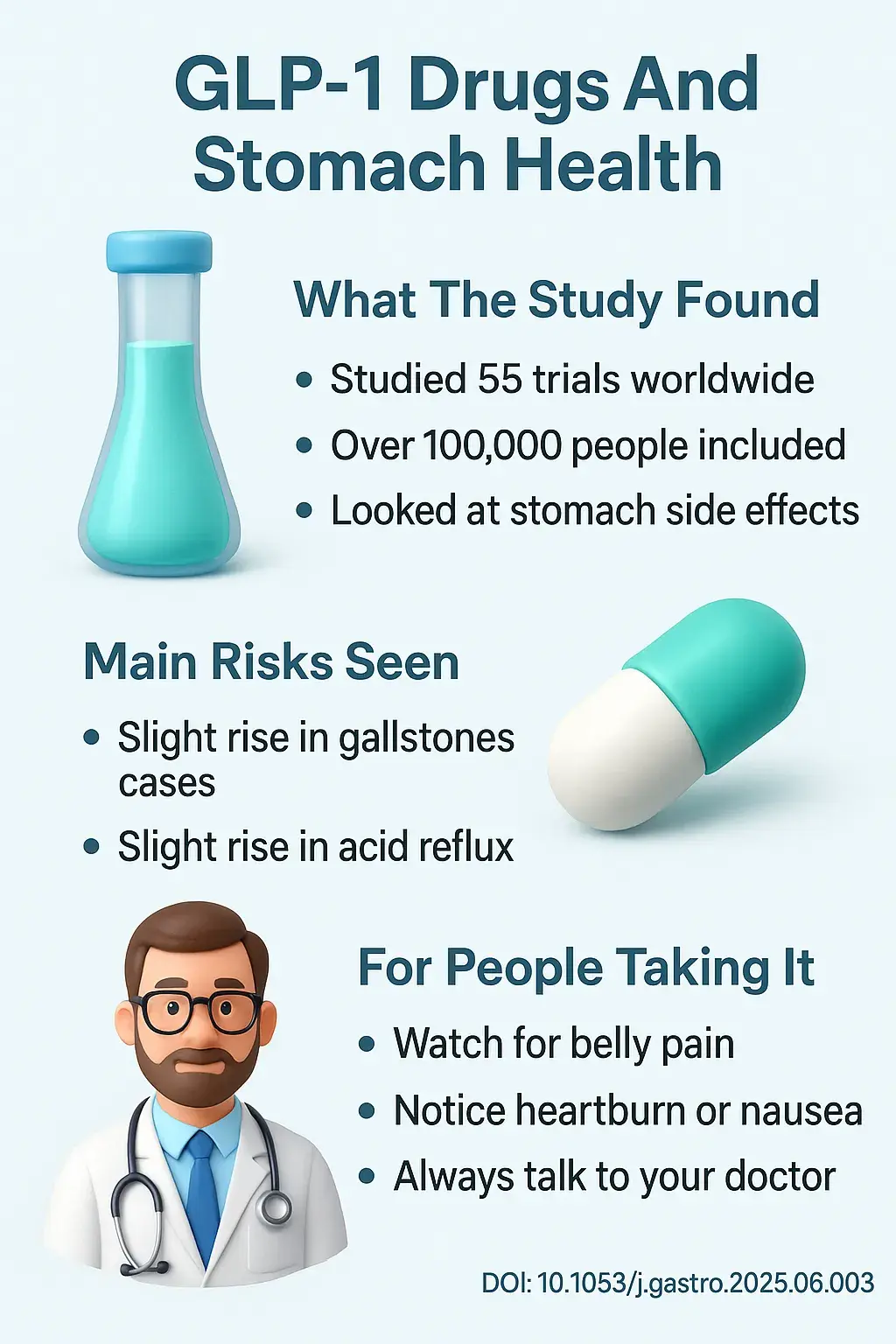
The common side-effects of peptides include: Fatigue and tiredness Dizziness Nausea and vomiting Possibility of liver and kidney toxicity Hot flashes (feeling hot and cold) Changes in blood pressure Possibility of heart complications (stroke, abnormal heart rhythms) Cancer Such substances can be highly toxic to fetuses so pregnant individuals shouldn't be using BPC-157 or any such peptides for sale
The blend remains a subject of experimental interest for researchers studying musculoskeletal, cardiovascular, gastrointestinal, and neurological healing processes