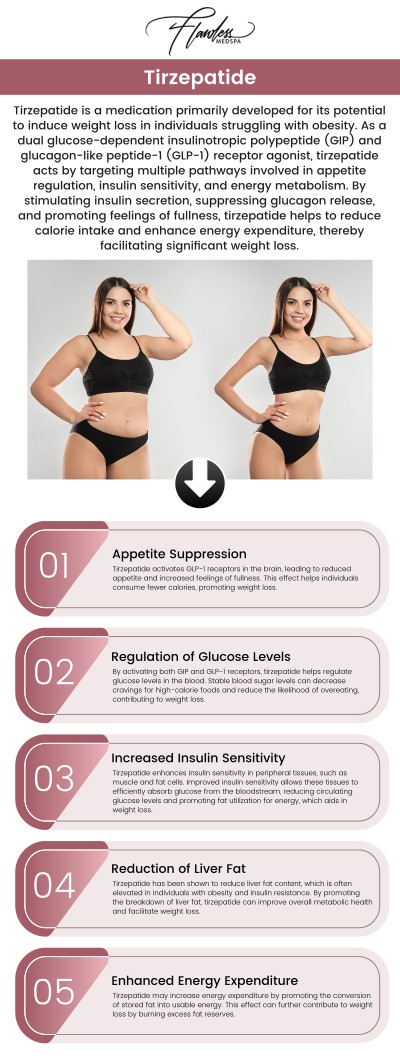
Unlocking GLP 1 The Future of Weight Management Unlocking GLP 1 Introduction and Context Understanding GLP 1 Mechanisms and Benefits The Role of GLP 1 in Weight Management Current GLP 1 Therapies in Weight Control Patient Profiles and Target Populations Clinical Trial Insights on GLP 1 Effects Comparative Analysis GLP 1 vs Other Treatments Integration of GLP 1 Treatments in Care Plans Overcoming Barriers to GLP 1 Prescription Assessing Risks and Side Effects of GLP 1 Long term Sustainability of GLP 1 Weight Management Future Directions for GLP 1 Research Real World Applications of GLP 1 Strategies Patient Testimonials and Case Studies Ethical Considerations in GLP 1 Use Cost Effectiveness of GLP 1 Weight Management Healthcare Provider Education and Training Regulatory Landscape for GLP 1 Therapies Market Dynamics and Competitive Analysis Global Perspectives on GLP 1 Accessibility Technology Advancements in Weight Management Using Data Analytics for Patient Monitoring Feedback Loops and Continuous Improvement Implementation Strategies for Clinics Community Engagement and Patient Support Navigating Insurance and Reimbursement Issues Impact on Co morbidities and Overall Health Cultural Considerations in Weight Management Future Innovations in GLP 1 Development Sustainability Considerations for GLP 1 Use Vision for the Future GLP 1 Landscape Conclusion Key Takeaways and Next Steps Interactive Session Addressing Audience Questions Thank you Instructions to Change Color of Shapes FAQs for Unlocking GLP 1 The Future Of Weight Management PPT GLP-1 agonists are synthetic medications that mimic glucagon-like peptide-1, a hormone naturally produced in the intestines that regulates blood sugar, slows gastric emptying, and promotes satiety

The difference matters: 503A pharmacies compound patient-specific prescriptions with real-time oversight, while 503B operations produce bulk batches without per-patient prescriptions
Akkermansia muciniphila and Gut Immune System: A Good Friendship That Attenuates Inflammatory Bowel Disease, Obesity, and Diabetes
It means the orbicularis oculi muscle around the right eye is experiencing involuntary contractions a condition called myokymia
PlexusDx offers tirzepatide injection at $289/mo month-to-month, or from $249/mo on the 6-month plan, as well as GLP-Squared options (dual semaglutide and tirzepatide compounds) for patients whose results stall