1 2 "Epidemiology of substance use in reproductive-age women"

Who Should NOT Consider Peptides Based on current evidence, I would advise against peptide use in the following individuals: Anyone with a current or recent cancer diagnosis Anyone with a strong family history of hormone-sensitive cancers (breast, ovarian, uterine, prostate, colorectal) Anyone with genetic mutations predisposing to cancer (BRCA1/2, Lynch syndrome, etc.) Anyone with active autoimmune disease or severe inflammatory conditions Pregnant or breastfeeding women Anyone who has not established foundational health practices Competitive athletes (most peptides are banned substances) Anyone seeking a "quick fix" rather than commitment to comprehensive health optimization If Considering Peptides: A Cautious Approach For patients who have established solid foundations, have no contraindications, understand the limitations of current evidence, and wish to explore peptides as a potential adjunct, here is the approach I might considerwith significant caveats: Lower-Risk Starting Point Topical GHK-Cu: This has the most established safety profile and documented benefits for skin health

route at 10 am (5 g per mouse)
2023;136(12):e233e234
The most commonly studied compounds in this space include BPC-157 (gastric pentadecapeptide with documented tissue repair signaling), TB-500/thymosin beta-4 (regenerative peptide with documented anti-inflammatory effects), KPV (the tripeptide tail of alpha-MSH, studied for anti-inflammatory signaling), and GHK-Cu (the copper tripeptide with broad gene expression effects including pathways relevant to inflammation and tissue repair)


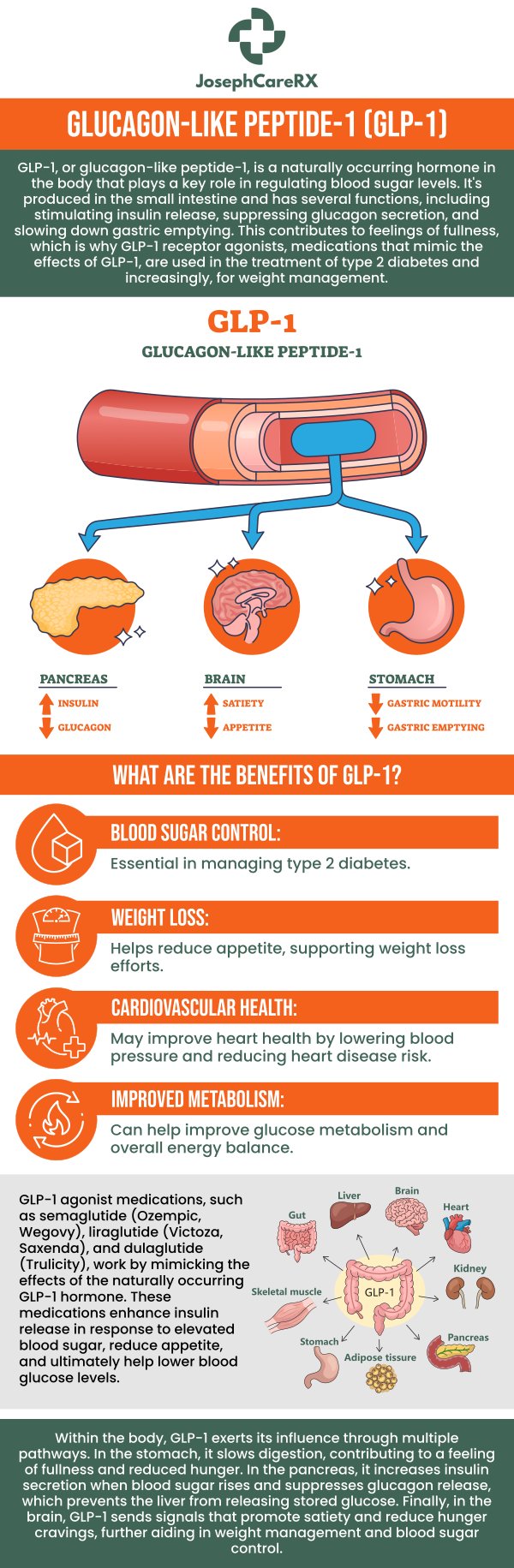

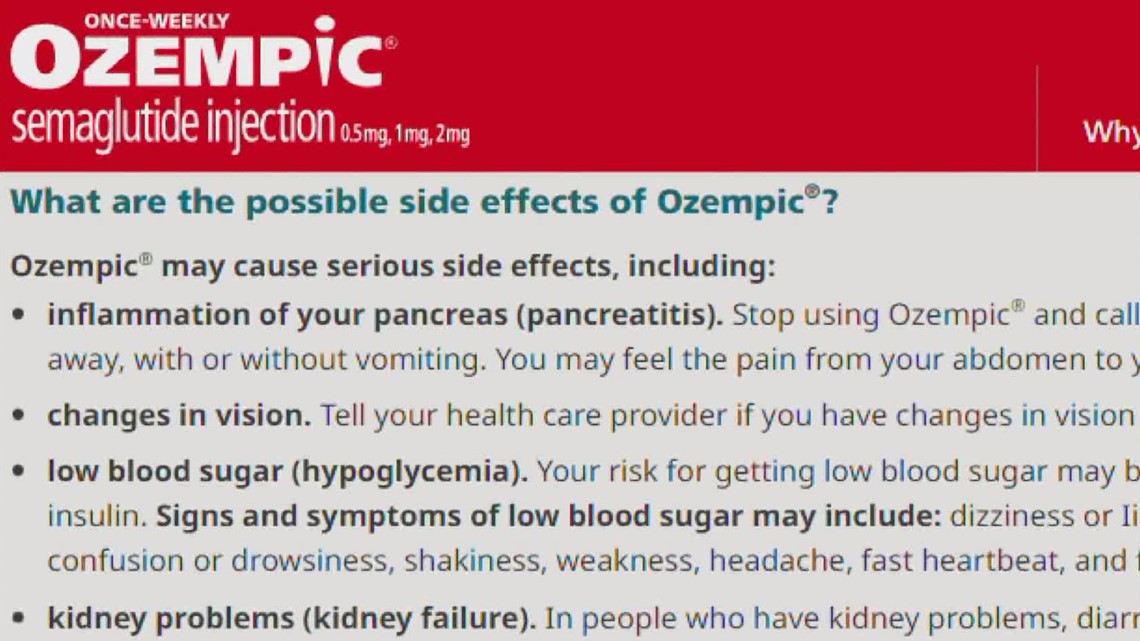




![Ozempic Vision Loss Lawsuit [2026 Update]](https://www.torhoermanlaw.com/wp-content/uploads/2024/09/GLP-1-Vision-Loss-MDL-3163.jpg)

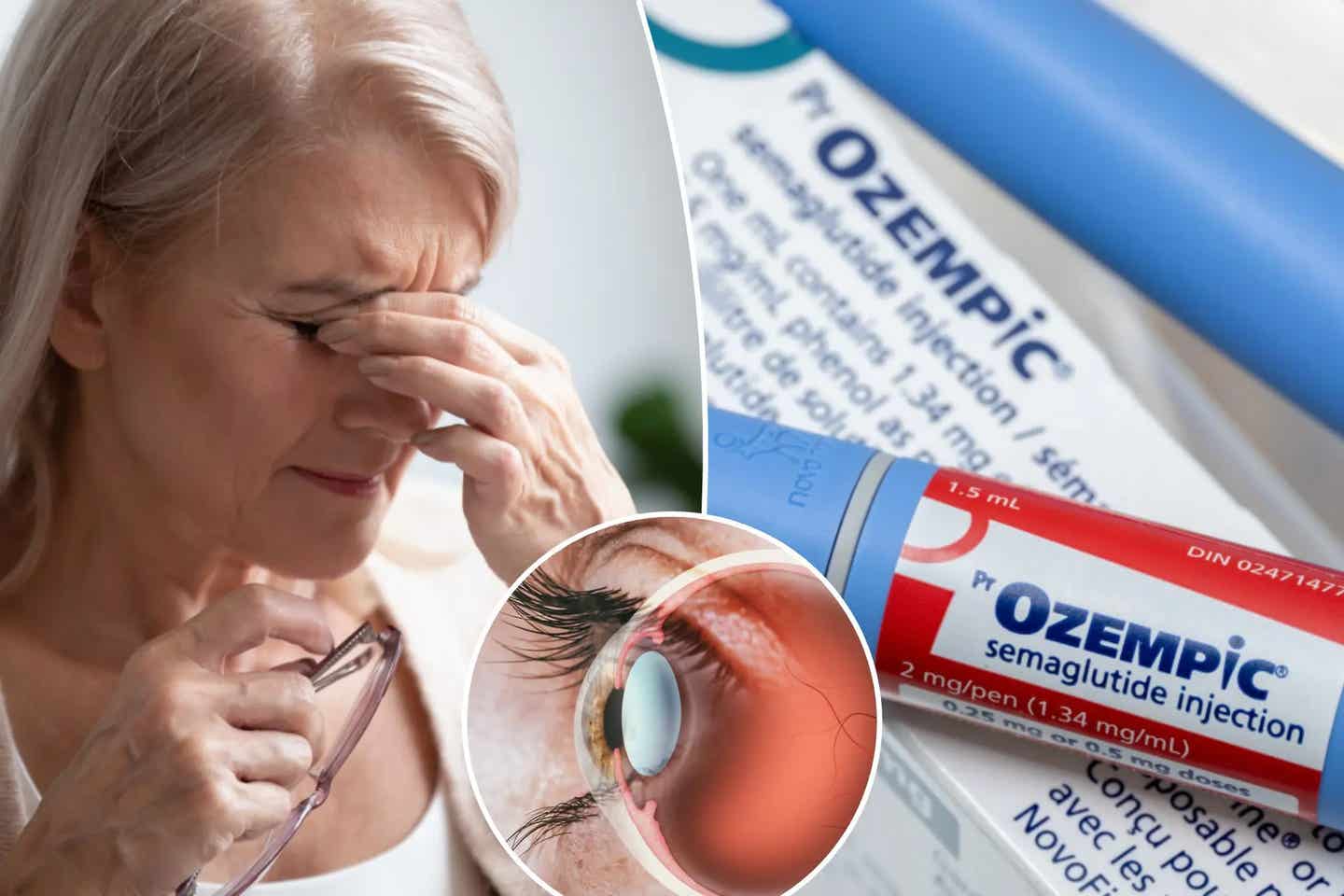

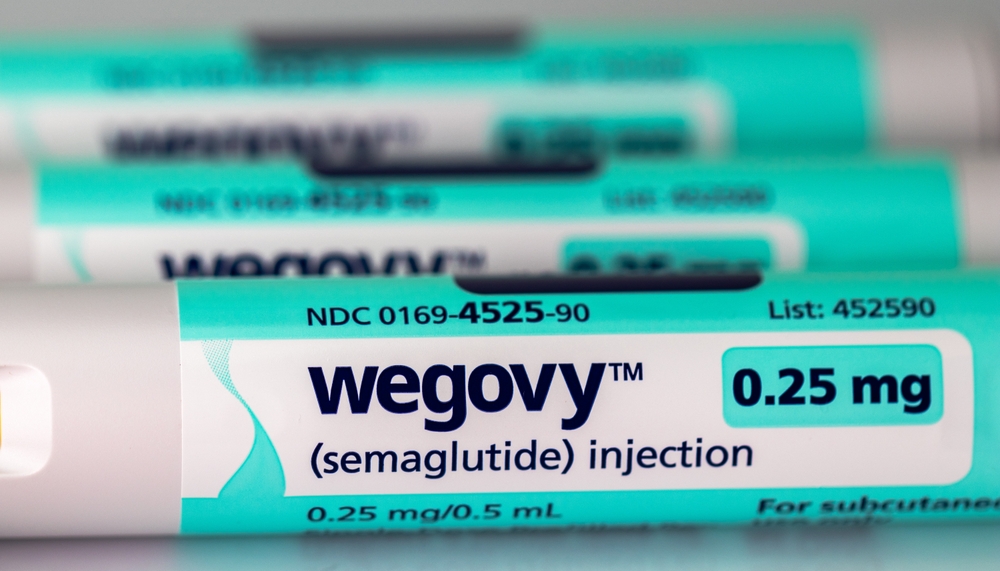
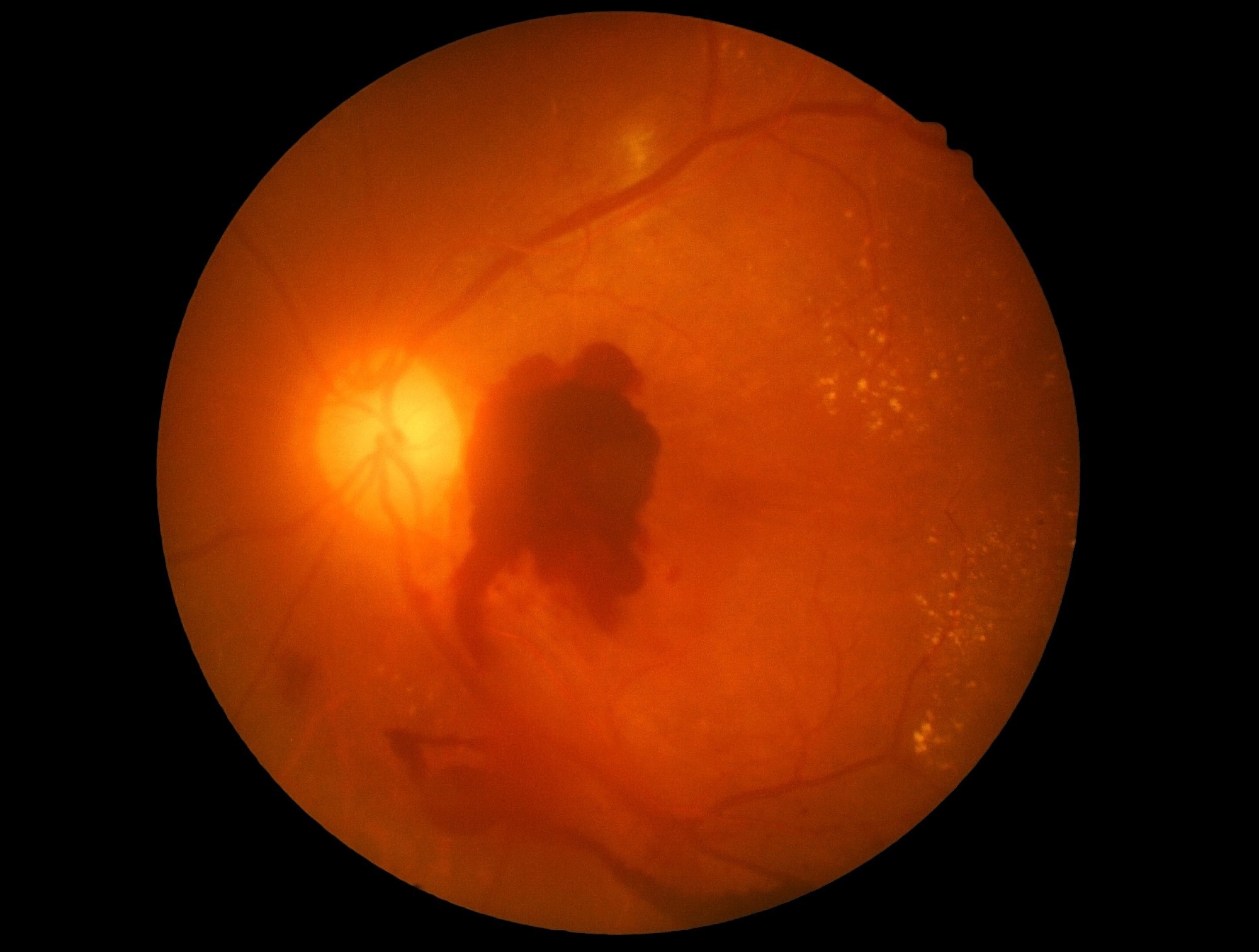
![Does Blurred Vision From Ozempic Go Away? [2026 Update]](https://www.robertkinglawfirm.com/wp-content/uploads/2024/07/ozempic-blurry-vision-banner.webp)