Contact your GP or diabetes specialist nurse if you experience: Severe or worsening fatigue that significantly impacts your daily activities or quality of life Persistent tiredness that does not improve after several weeks despite self-management strategies Symptoms suggesting hypoglycaemia , including shakiness, sweating, confusion, palpitations, or hunger alongside tiredness Signs of dehydration , such as dark urine, dizziness, dry mouth, or reduced urine output, particularly if accompanied by vomiting or diarrhoea Unexplained weight loss beyond what would be expected from improved diabetes control New or worsening symptoms such as shortness of breath, chest pain, or palpitations Visual changes or deterioration , as rapid improvement in blood glucose can sometimes worsen diabetic retinopathy [10] Right upper abdominal pain, fever, yellowing of skin/eyes or pale stools , which could indicate gallbladder disease (a known risk with GLP-1 receptor agonists) [8] [9] Seek urgent medical attention (call 999 or attend A&E) if you develop: Severe abdominal pain that does not resolve, particularly if radiating to the back (potential pancreatitis) Signs of severe dehydration with inability to keep fluids down Altered consciousness or severe confusion Symptoms of diabetic ketoacidosis (though rare in type 2 diabetes), including excessive thirst, frequent urination, fruity breath odour, and rapid breathing For urgent but non-life-threatening concerns, contact NHS 111 for advice
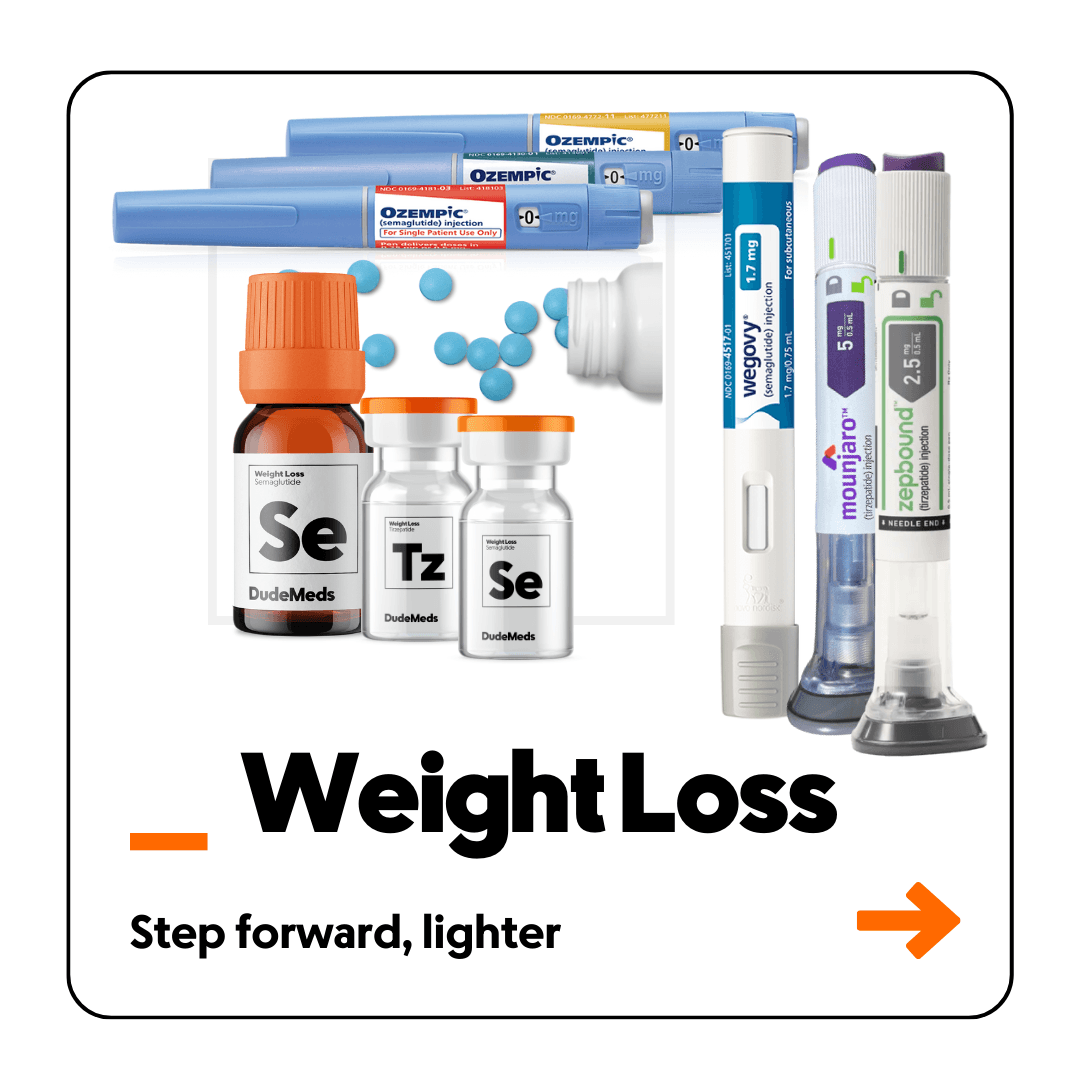
Editorial refresh Practical 2026 note for Hims vs Ro vs Calibrate for GLP Hims vs Ro vs Calibrate for GLP now carries extra 2026 context around semaglutide, tirzepatide, cash-pay pricing, safety signals, hims, calibrate, because those are the subtopics readers tend to compare before they trust a medical or wellness recommendation
Association of American Medical Colleges
Bickel, 15 October 2025, Scientific Reports
How is Retatrutide given



.webp?width=900&height=1201&name=Semaglutide%20Image%202_900x1200%20(without%20phone).webp)