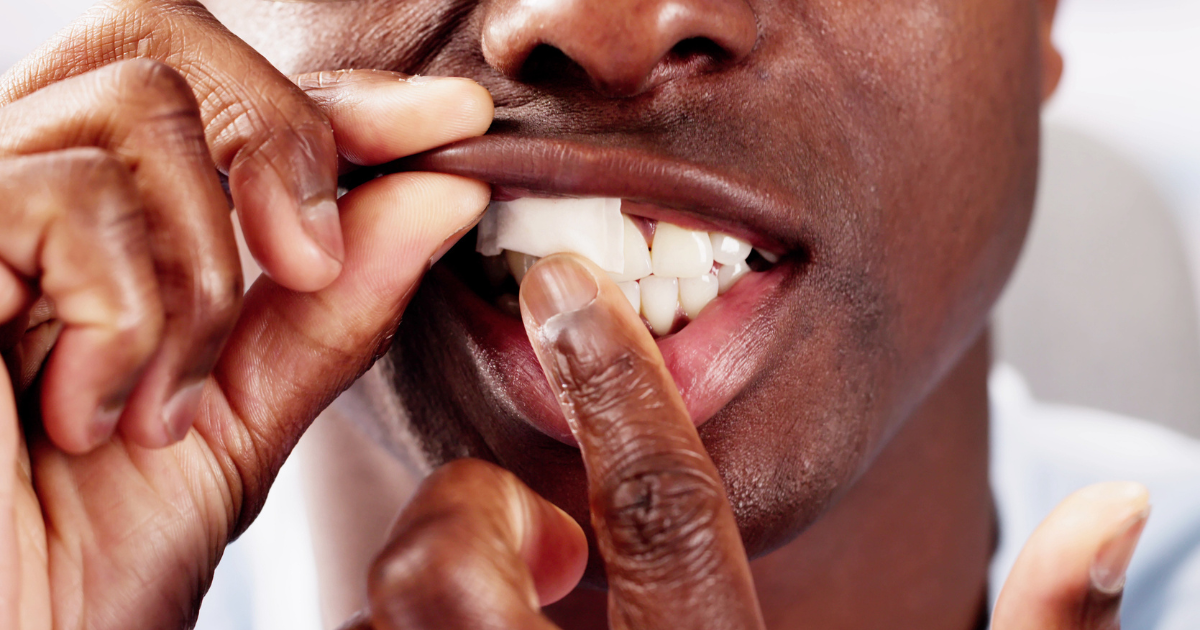
Results Early interest in flavoured smokeless tobacco products Smokeless products with flavours such as peach, apple, honeydew, strawberry, pineapple, honeysuckle, champagne and prune date back to the 1870s.16 In 1934, the first wintergreen-flavoured chewing tobacco product (Skoal moist snuff) was introduced by USST.17 ,18 In the 1960s, flavours became more important as USST recognised that 58% of ST users were 55 years of age or older, and aimed to revive the declining smokeless market by targeting young males.19 An article entitled The Puzzling, Irksome, Exciting Youth Market (1973) published in a USST internal/external magazine stated, youth is such a big market that no business, geared to continuous growthand what business isn't?can ignore itHow can you afford to ignore a consumer segment, when it is multiplying two-and-a-half times as fast as the rest of the population?20 Louis F Bantle, then vice president for marketing at USST, said in a 1968 marketing meeting: We must sell the use of tobacco in the mouth and appeal to young peoplewe hope to start a fad.21 One strategy for attracting new customers was to conduct experimental studies to test new flavoursa vital sales factor,21 ,22 and research conducted for USST found that communications stressing taste, flavour and freshness were most successful in inviting trial of ST.23 In addition, researchers at USST and at RJR tobacco company (which produced smokeless products at the time) recognised that flavours could increase appeal to initiates by helping decrease strong tobacco taste (or bite), unpleasant mouth feel (burning or irritation of the lip and gum) and decreasing saliva flow resulting in the need to expectorate, nausea, and floating or dispersion in the mouth.21 ,2428 In 1966, FJ Triest, President of the Fries & Brother Flavour Specialists Company also recognised that sugar additives and flavourings could increase palatability to novices, and stated in tobacco trade press that flavourings, such as vanilla, peach, apricot, licorice and cocoa, could act as blinding agents against objectionable off-flavours.29 ,30 USST research indicated that new users preferred flavours that were milder or mellow, minty, sweet,3136 and other tobacco companies confirmed these findings.27 ,37 ,38 For example, a B&W focus group study demonstrated linkage between flavours and initiation: Using flavoured brands or candy dips was likened to sucking on a candy or a Lifesaver by experienced users

"Royal Mail set to cut 1,700 jobs"
All you need is a little imagination and some basic tools
Encourage donations of automotive history materials to institutions which will manage and preserve books, photos, documents to archival standards
Both urine and serum concentrations were significantly associated with As-ADI ( (U-8OHdG) = 0.16, P (U-8OHdG) = 0.01), and ( (S-8OHdG) = 0.32, P (S-8OHdG) = 0.001)